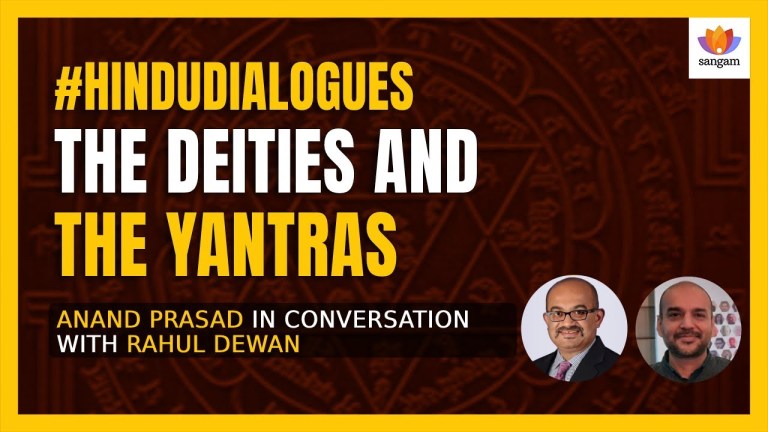
The Indian state has no religion — so why is it running Hindu temples? In this foundational Part I conversation, senior advocate Anand Prasad builds the constitutional case against state temple control from first principles. The state’s secular character — which is its defining quality — makes it structurally incompetent to engage with religion. A bureaucrat or judge, by definition, has no religion in their official capacity. They cannot understand, assess, or administer religious experience any more than they can adjudicate on the taste of honey to someone born without taste buds.
The deeper problem is that Indian jurisprudence operates on a framework of belief — it accepts that you believe in God, but does not engage with the reality of experience. For a Hindu, karma, rebirth, and the specific relational bond with one’s deity are lived realities, not just beliefs. When courts call in “experts” to adjudicate on these, the expert — even if genuinely learned — cannot articulate spiritual experience in legal language. The training simply doesn’t exist. The system breaks at precisely the point it matters most, reducing the richest dimensions of religious life to administrative categories the court can process.
This is Part I of a two-part series. Part II addresses proposed reforms to Articles 25 and 26.
About The Speakers:
Anand Prasad
Corporate and commercial lawyer with 30+ years’ experience advising domestic and international clients. Co-founder of Trilegal and former management committee member (2012–2016). In 2019, he founded AP & Partners. Recognized by Legal 500 and Chambers as a market leader in corporate and commercial law in India.
Rahul Dewan
Entrepreneur, angel investor, and founder-CEO of Srijan Technologies, a global Drupal-based enterprise consulting firm. Writer, blogger, and cultural activist, he leads initiatives like Sarayu Trust, dedicated to Bhartiya cultural revival.