UNESCO’s 2003 Intangible Cultural Heritage Convention sounds protective. In practice, it is a bureaucratic trap that commercialises living traditions by forcing them into 13-page nomination dossiers.
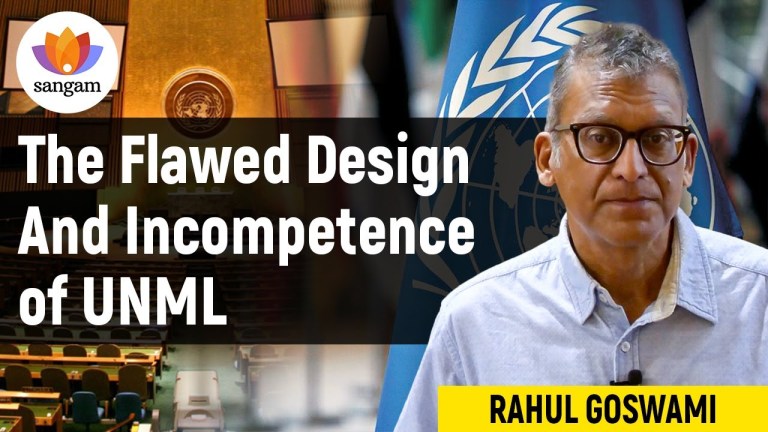
Policy researcher Rahul Goswami continues his inside account of UN multilateral machinery, focusing specifically on UNESCO’s Intangible Cultural Heritage framework — the convention that governs traditional arts, rituals, and social practices. His argument is characteristically precise: the impulse driving this system is not preservation but listing — a 19th-century European encyclopedist instinct to collect, categorise, and measure all human experience into standardised formats. Once listed, traditions become subject to description, commercialisation, and ultimately distortion.
His sharpest example is personal and pointed: he wrote directly to India’s Ministry of Culture asking why they were voluntarily submitting Kumbh Mela as intangible cultural heritage — a living, sacred, entirely self-sustaining phenomenon that neither needs nor benefits from UNESCO certification. The bureaucratic answer is the same as everywhere in the UN system: it keeps officials busy, generates funding applications, and creates career continuity. India should be protecting its living traditions from this listing impulse, not feeding them into it. The Kerala Palli Odam boat festival — where 52 villages maintain a navigable river as an act of devotion to Parthasarathi — is offered as the counter-model: tradition sustained by faith, not bureaucratic documentation.
About The Speaker :
Rahul Goswami is a UNESCO expert on intangible cultural heritage in the Asia-Pacific region. Since 2011, he has trained and advised government officials, researchers, traditional knowledge bearers, and practitioners on methods to identify, document, and safeguard traditional knowledge systems and intangible cultural heritage. He is an adviser to India’s Ministry of Environment, Forests & Climate Change on the place of agroecology in the sustainable use of natural resources and the application of local knowledge in the Himalayan and hill regions. Earlier, he worked with the Ministry of Agriculture on the revitalization of the agricultural extension system through participatory methods.