What if Hum Log — the serial that defined Indian TV in 1984 — was engineered by American agencies to reduce India’s birth rate? That is precisely what Prashant Pandey documents in TFR Episode 4.
The episode traces a covert, multi-decade chain: Peru’s Simplemente Maria (1969) catches the eye of Mexico’s Miguel Sabido, who builds an “Entertainment-Education” formula for behavioral change. New York’s Population Communication Center, led by David Poindexter and driven by the ideology of Paul Ehrlich’s The Population Bomb, exports this model to India — with Indira Gandhi’s tacit approval, a five-day workshop for Doordarshan staff, and the United States Information Agency (directly linked to the US State Department) physically providing the VCR to screen the pitch at Inder Gujral’s home. When Doordarshan couldn’t fund it, Nestle stepped in with Maggi — and a generation grew up shaped by both the narrative and the noodle.
Pandey closes with a pointed challenge: if Sabido’s formula requires five days a week to engineer social behavior, what does that say about today’s conflict-saturated Hindi serials targeting Hindu families? Episode 5 promises the CIA chapter. The story is about to get harder.
वक्ता परिचय:
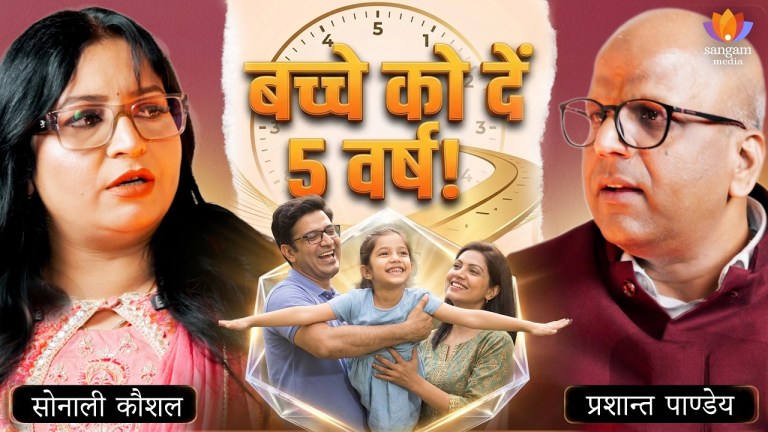
प्रशान्त पाण्डेय वर्तमान में सरयू ट्रस्ट के सेन्टर फॉर हिन्दू आइडेंटिटी स्टडीज़ (सीएचआईएस), के निदेशक हैं । वे लगभग दो दशकों तक पत्रकार रहे, और कई राष्ट्रीय अंग्रेज़ी समाचार-पत्रों के लिए कार्य किया । वे पुस्तक प्रकाशन से भी जुड़े रहे । इन्होंने दो पुस्तकें, जिनमें से एक है BBC’s True Lies, का सह-लेखन भी किया है ।