Sanskrit nearly became India’s national language in 1947, with Dr. Ambedkar as a key supporter. One vote decided otherwise.
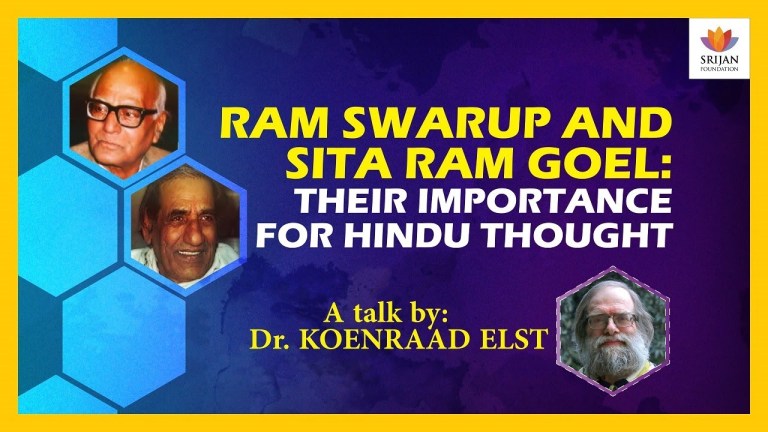
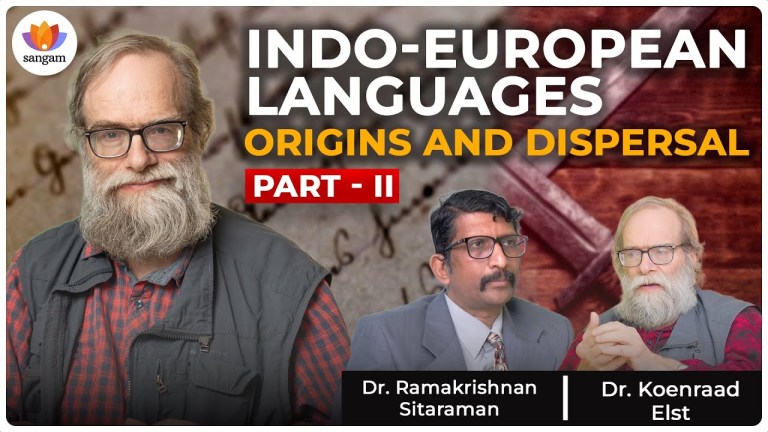
Belgian Indologist Dr. Koenraad Elst traces Sanskrit’s arc from decline under Mughal rule to partial revival under British patronage — through the Arthashastra’s discovery and Brahmi’s decipherment. He explains how Sanskrit shaped global linguistics: Panini’s concepts became the founding vocabulary of 19th-century Western linguistic science, and Mahayana Buddhism spread Sanskrit across East Asia. The Constituent Assembly’s language vote, where Hindi won by a single casting vote over Sanskrit, is described as a civilisational inflection point. Elst also recovers “Bharat” as meaning “Veda land,” arguing India’s history cannot be separated from its Dharmic identity.
About the Speaker:
Dr. Koenraad Elst is a Belgian Indologist with a Master’s in Indology, Sinology, and Philosophy, followed by original fieldwork in BHU and a Doctorate on Hindu nationalism. He is famous as an oriental philologist and historian. One of the few Westerners actively defending Hinduism, he is known for his blunt and objective views