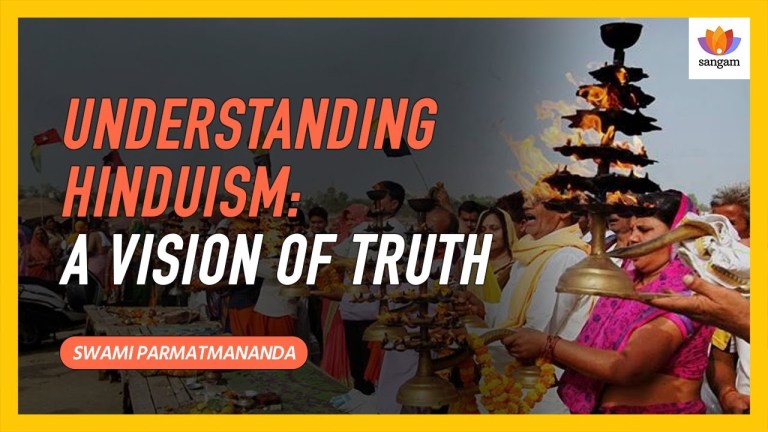
In a thought-provoking discussion, Rahul Diwan and Shankar Bhardwaj Thandavadi delve into common questions posed by Hindus, unraveling the intricate layers of understanding within the framework of Dharma. The conversation unfolds, exploring the four levels of comprehension applicable to any system, using the analogy of a state’s architecture. The discussion commences by exploring the essence of Dharma and its comprehension through four distinct levels: worldview, doctrine, architecture or institutional structure, and lived reality.
The four levels of comprehension – worldview, doctrine, architecture, and lived reality – serve as a lens through which individuals can analyze and interpret diverse spheres, including the economy, religion, and social order. The applicability of these levels extends beyond theoretical realms, finding resonance in practical arenas like law, where a clear doctrine and worldview are crucial for initiating transformative change. The conversation underscores the necessity for a synthesis of clear doctrines and worldviews to instigate meaningful change. Efforts are needed to reclaim this space and reintegrate Hindu practices, such as town temples, into the societal narrative. To create a society aligned with Hindu values, there is a call to reimagine the state’s role. The dialogue concludes with an emphasis on Hindus articulating their perspectives to influence the state’s perception.
In essence, the discussion offers a profound exploration of Dharma and its multifaceted application in contemporary societal dynamics. It calls for a synthesis of worldview and doctrine, encouraging Hindus to actively participate in redefining the state’s engagement with their beliefs and practices.