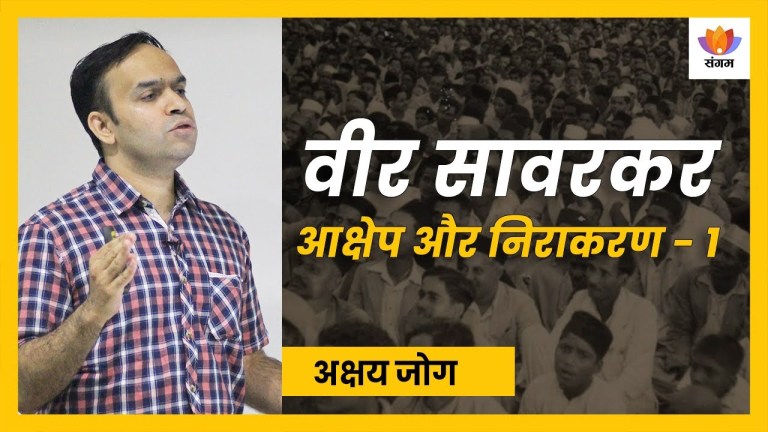
The speaker covers the deep philosophical traditions that acknowledge the interdependence of opposing aspects in an engrossing YouTube video, providing insights into the relevance of contrasts for comprehending existence and reality. The video commences with an exploration of yogic knowledge inherent in traditions like Vedanta, Buddhism, Jainism, and Sufism. These traditions uniquely emphasize transcending dualities and collapsing subject-object binaries, asserting the necessity of contrasting elements for a holistic understanding of existence.
The guru-shishya parampara is explored from both a spiritual and yogic standpoint, emphasizing key qualities of a seeker, such as discernment, detachment, and faith in teachings. A true guru is described as a realized soul, free from stains and desires, characterized by compassion and a helpful attitude toward seekers. This spiritual perspective is seamlessly connected to educational principles, with Sri Aurobindo’s radical view advocating teachers to create conducive conditions for latent knowledge to emerge within students. Distinguishing education from training, the video describes education as a non-egoic exercise where teachers honor the inner constitution of students, fostering a transformative and reflective learning process in alignment with the cultural context that values the guru-shishya parampara.
Sri Aurobindo’s insights on the Indian dialogical teaching tradition versus the Western didactic approach are explored, urging a shift from rigid routines to inclusive pedagogy. The importance of the teacher’s example of inner realization is emphasized, stressing the need for authenticity and a teacher-student relationship based on humility. Highlighting the adverse impact of colonial influence on modern education, the video underscores the necessity for teachers to embody unconditional love for transformative teaching. The speaker shares a successful teaching experience in India, advocating for contextual, creative, and goal-oriented teaching. The collapse of binaries in the pursuit of truth is addressed, emphasizing the need for faculty to internalize knowledge for effective teaching.

![Read more about the article [Q&A] New Economics For A New India — Srijan Talk by Sanjeev Sanyal](https://sangamtalks.org/wp-content/uploads/2019/04/maxresdefault-45-768x432.jpg)