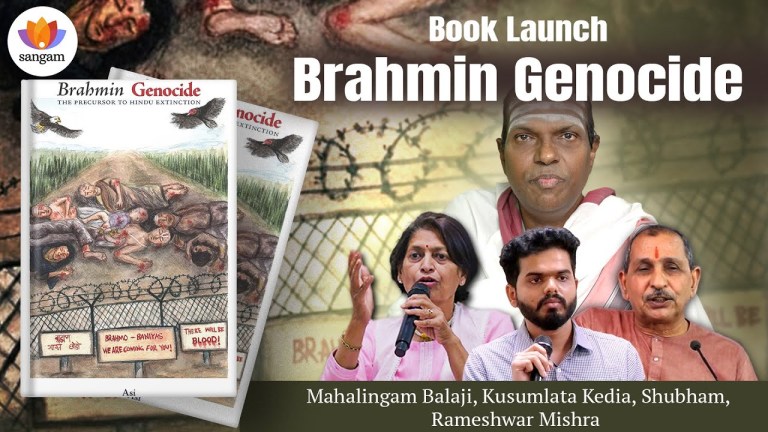
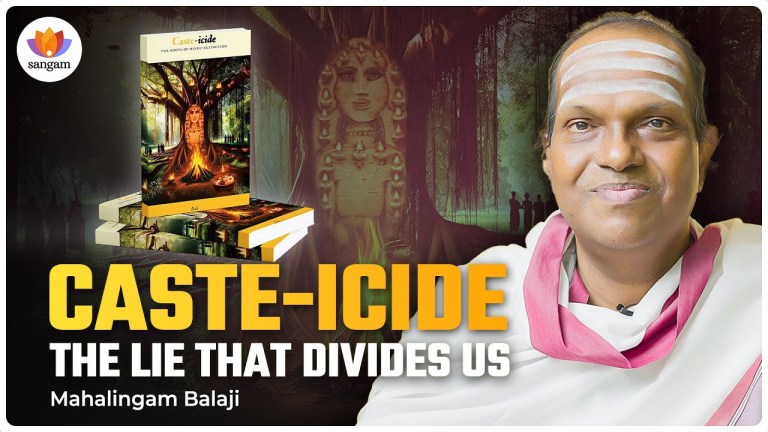
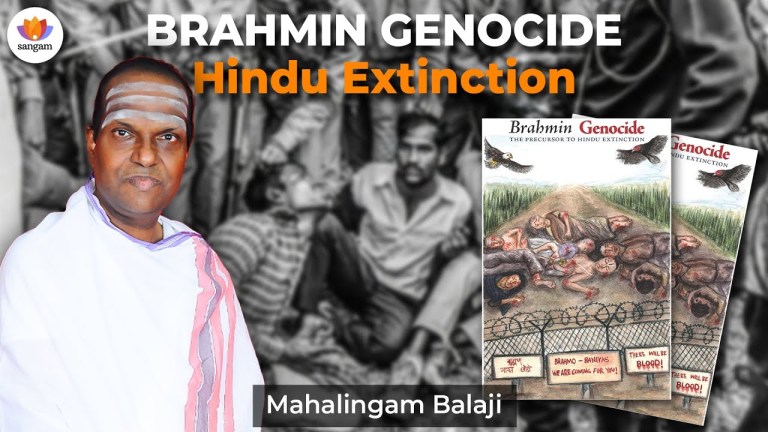
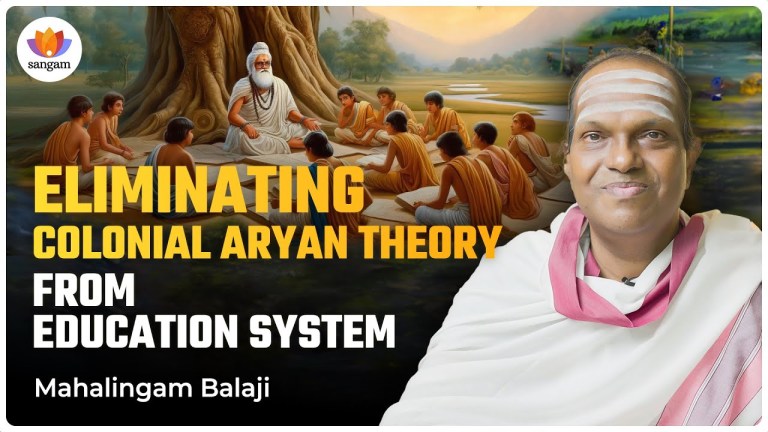
“Brahmin Genocide”: the book that has created a lot of stir among readers, is coming out as a second edition. Does the title aim to provoke sensation? What does “Brahmin Genocide” mean and why is it specific to one community? The speaker provides straightforward answers to these questions. Hinduphobia is concentrated in one community, specifically as “Brahmophobia.” This bias has persisted into independent India, influenced by colonial-era narratives and misinterpretations of ancient texts such as the Purusha Sukta. The impact of Critical Race Theory and social media on perpetuating hate speech has the potential to bring forth another situation like genocide. The need for awareness of these issues is of the essence, isn’t it?
About The Speaker:
Mahalingam Balaji, hailing from a lineage of Vedic scholars, had a successful corporate career spanning nearly three decades. He has held numerous leadership positions both in India and internationally, earning recognition for his strategic acumen and extensive experience in establishing and guiding global research and analytics teams. Currently, he aims to establish institutional mechanisms to support research on the Bhartiya Parampara tradition. A key priority for him is to counteract the prevailing narrative of animosity towards practitioners of Sanatan Dharma, particularly the Brahmin community. Writing under the pen name “Asi,” Balaji passionately advocates for the preservation and celebration of India’s rich cultural heritage.